


Det krävs mer än AI-kompetens
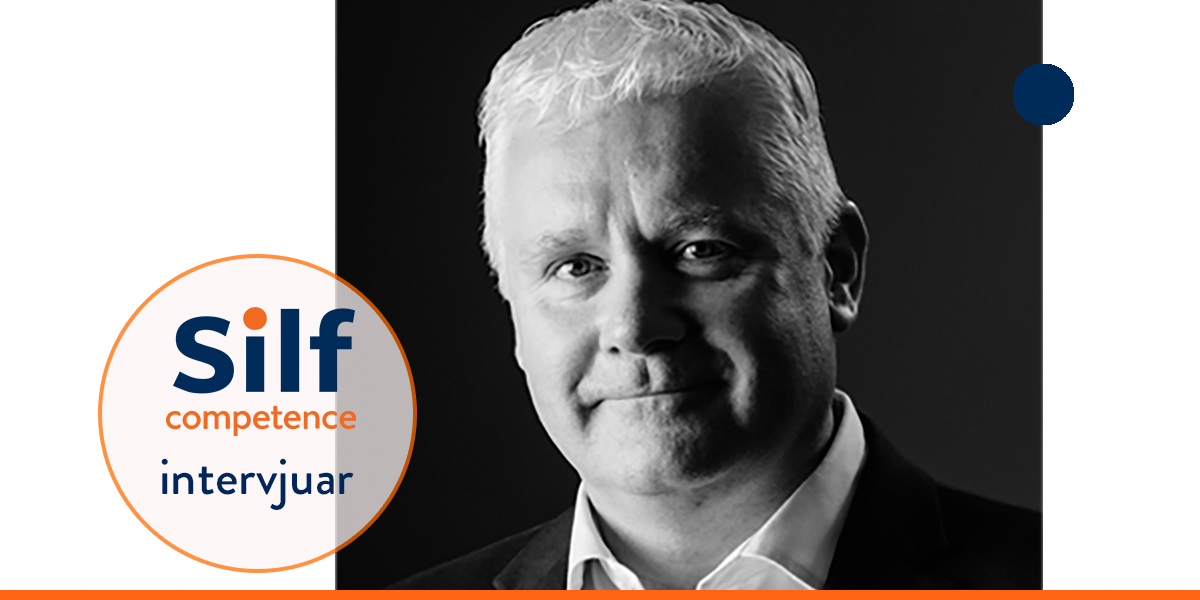
AI kan effektivisera inköpsarbetet, men ny teknik skapar inte automatiskt bättre resultat. Det avgörande är hur organisationen kombinerar AI med gemensamma arbetssätt, strategisk kompetens och mänskligt omdöme. I en intervju med Silf Competence förklarar Jonathan O’Brien, internationellt erkänd expert inom strategiskt inköp, varför inköpsfunktionen behöver agera nu för att ta en ledande roll i AI-utvecklingen.
The AI mistake many organizations make
Many organizations are eager to adopt AI in procurement and supply chain management. In your experience, what are the most common mistakes companies make when they start their AI journey, and how can they avoid them?
The most common mistake until recently was neglecting AI safety and allowing AI adoption without the necessary safeguards in place to protect corporate data or commercial intelligence. Without ‘wall gardened’ or enterprise specific AI in place, many organizations were unwittingly uploading information that would also help train the AI, and therefore benefit competitors. Most companies seem to have now understood the risk and have put the necessary guardrails in place.
As AI adoption becomes part of the day-to-day, the new most common mistake now is to only equip and train people with AI, which helps boost individual know-how but in organisational terms leads to a proliferation of different ways to do things. The consequence is overall organisational knowledge and capability actually goes backwards. If you focus only on getting 100 people AI competent, you simply create 100 different ways of doing things and no more. Boosting AI capability only delivers new breakthrough results if it is done in tandem with establishing common processes, language and ways of working and then AI will boost overall organizational competence.
Why human judgement matters more
You argue that AI can automate many traditional procurement activities, but that judgement will become even more important. Which human skills do you believe will be most critical for procurement professionals over the next five years?
Clearly AI and good data science skills will be essential, however this needs to be coupled with exceptional strategic capability in procurement. This means practitioners that are talented and skilled in the deployment of Category Management, Supplier Relationships Management, Sustainable Procurement and Advanced Negotiation using AI to augment capability. In addition, our relationship with the business will develop and as procurement works to maintain primacy of position in terms of owning third party spend, it will need exceptional business stakeholder skills to make this happen.
AI needs more than technology
You state that “AI amplifies capability rather than creates it”. What practical steps should procurement leaders take to ensure they are building organizational capability, not simply deploying new AI tools?
Key to this is using AI within the context of an established methodology or way of doing things. This means that for a core approach such as Category Management the organization must establish its capability using a proven, common process and approach such as 5i Category Management, and then augmenting how this is applied using AI to automate, accelerate, support, guide and supplement deployment. Tools such as Capella (the agentic AI powered Guided Category Strategy Creator) do just this. This then speeds up the process of category management and augments effectiveness by helping access better and wider data. Crucially, it also enables rapid category management deployment with human interaction along the way to ‘get under the hood,’ verify what AI does and make key adjustments – establishing the right conditions for breakthrough category management.
Procurement must lead the AI shift
As AI increasingly reshapes business functions, how can procurement position itself as a strategic leader rather than a support function, and where do you see the greatest opportunities for value creation?
Procurement must act now to become the strategic leader otherwise other functions that get decimated with the onslaught of AI will quickly make a play to do procurement assisted by emerging AI technology. Procurement must therefore position itself as the natural leader of the AI revolution and the new way of doing Procurement now so it can lead the charge. The greatest opportunities for value creation in the short term are around enabling the automation of routine procurement and business self-serve systems for less complex spend. However the greatest value comes from procurement establishing itself as the strategic enabler for an organisation to realise its corporate objectives through supply base possibilities.
What separates success from failure
Through Procleus and your work with hundreds of procurement organizations worldwide, what distinguishes the teams that successfully combine AI, methodology and competence development from those that struggle to achieve lasting results?
There are three key factors here that define success.
First organisations must ‘live and breath’ common processes and ways of working for the strategic toolkit – There must be one way of doing category management that everyone is highly trained in and talks the same language. Companies that put 5i category management at the heart of what they do achieve great results.
Second; it must be cross functional. Exceptional results don’t come from within the procurement team, but rather by driving hard changes across a business with collaboration business-wide.
Third; governance is essential. If you leave people to it, they will take the path of least resistance and soon revert to more simple approaches. Instead, there must be firm and visible leadership and a focus on establishing targets for procurement benefit delivery, a master program plan for all strategic initiatives and active project management that drives process rigour, including key review points. In addition, governance must also ensure the right people and capabilities are in place for what the company is trying to achieve. Whilst some aspects of governance can be automated, governance remains one of those areas where human oversight is critical to ensure the effectiveness of both human and AI contributions.
The capability to prioritize now
What is the one capability every procurement organization should invest in during the next 12 months if they want to be successful in the age of AI, and why?
The ability to understand and know how to apply AI within a strategic procurement context. AI skills are essential, but AI skills that can drive overall procurement capability are even more critical.

Om Jonathan O’Brien
Jonathan O’Brien är en internationellt erkänd expert inom strategiskt inköp och grundare och vd för Positive Purchasing. Med över 30 års erfarenhet hjälper han globala företag att utveckla sin inköpsförmåga genom bland annat kategoristyrning, leverantörsrelationer och förhandling. Han är även prisbelönt författare till flera böcker inom inköp och förhandling samt programledare för podden The Procurement Show.
Silf Competence,
Oktober 2026